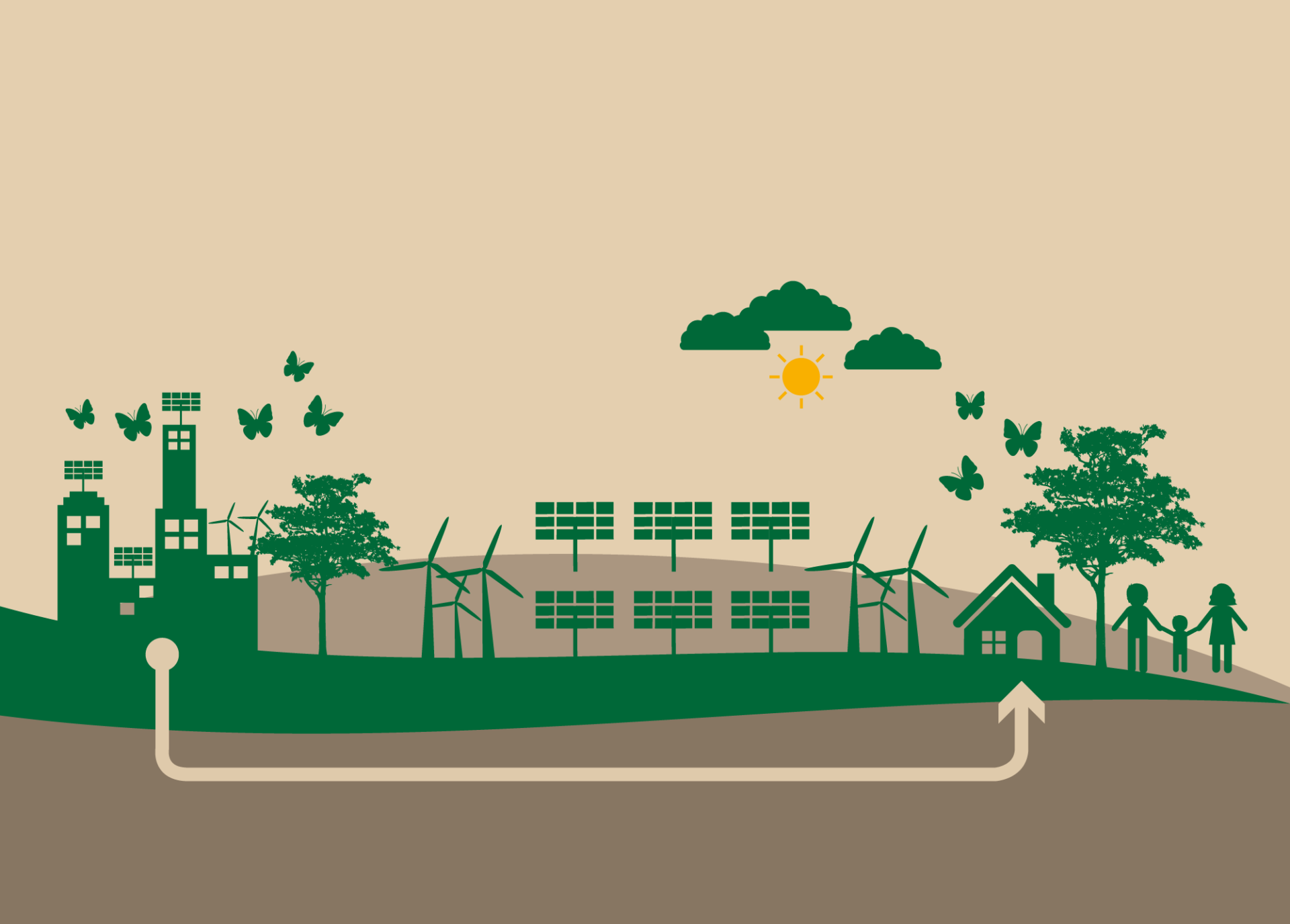


Sustainable Action
Energy Transition Trilemma
From Net Zero as an Ambition to Net Zero as the Norm
To achieve net-zero emissions by 2050, the pace of scaling up renewable energy and infrastructure must be increased. This while global energy demand continues to rise.
The energy transition faces the energy trilemma. Policymakers must strike a delicate balance between affordability, sustainability, and reliability of energy supply. Price environments complicate the energy transition, and short-term interests often outweigh long-term goals.
Sustainable action: from net zero as an ambition to net zero as the norm
Net zero is one of the most ambitious and necessary goals of our time. Those who want to transform must not only look at their own business model from a different perspective but map out, decarbonize, and make the entire chain sustainable. This requires a vision for the energy transition, a thorough data approach, the smartest technology, and expertise.
Why a net zero transformation is essential now
Source: PwC
- Energy consumption: 65% of CEOs are optimizing energy consumption
- Energy intensity: 31% reduction in energy intensity by 2030
- Warming: Predicted warming with current climate policy
Policymakers must determine what kind of economy we want to achieve, and what societal interests we want to pursue. And that’s truly a tremendous balancing act.’ – Gülbahar Tezel – PwC lead Energy Transition Think Tank
Infrastructure
Balancing supply and demand for heat, fuels, and electricity is still a challenge with fluctuating supply from solar and wind. Energy storage is a possible solution here. This can include thermal storage, where electricity is stored as heat or cold and then converted back to electricity.
Another solution is converting electricity to hydrogen (‘power to gas’), where hydrogen can be used in various applications (mobility, electricity, chemical substances). The energy consumer of the future will be more involved in how and where their energy is generated. In this context, the development of smart networks is of great importance.
New energy world demands new business models
Globally, over 90% of the largest energy companies indicate that they must adapt their business model to the energy transition within five years. At the same time, almost half of the companies indicate that they are not yet ready for this. The energy transition requires new business models, large-scale investments, and different ways of customer interaction. Although it’s clear that the old world will soon no longer exist, there is simultaneously uncertainty about what the winning model in the new energy world will be.