

In conversation with Henk Sieben
Below Ground Level
Heat
The Netherlands has been committed to developing collective heat networks for 100 years, starting in Utrecht in 1923. Even in 2024, there is still much to be done in the heat transition to ensure affordable heat for consumers and reduce CO2 emissions.
The underground work near Purmerend was carried out on behalf of SVP, Stadsverwarming Purmerend. The installed pipelines run to and from the Bio Heat Plant. Henk Sieben, Director of Heat, explains that A.Hak deliberately established a separate business unit entirely focused on heat. “We believe that heat is an important component for achieving the energy transition,” says Sieben. “And in a transition, you need to combine all knowledge and expertise.”
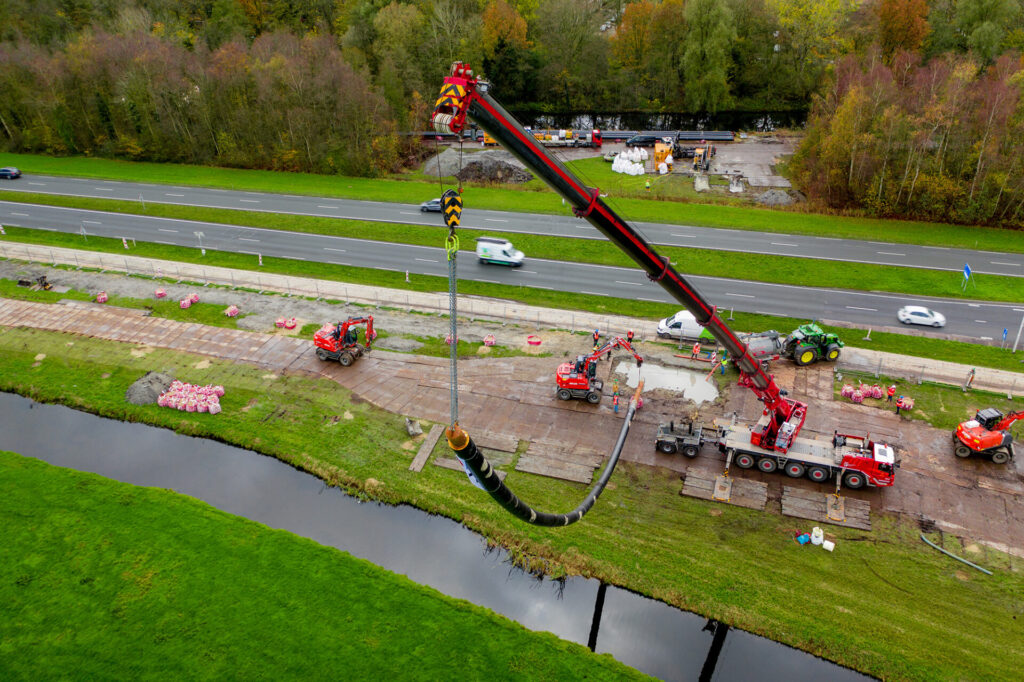
Heat is available and relatively easy to supply to homes. However, the installation of heat networks presents its own set of challenges. Henk Sieben: “We crossed this road with an arc drilling, a complex and extensive drilling that, according to the client, was supposed to be executed differently. A.Hak found a new method, allowing it to be carried out more cost-effectively, with less disruption, and more sustainably. We cold-bent the pipeline at our own facility in Veendam.”
Proud of our colleagues
Sieben is visibly very satisfied with this project. “Once we are finished at the worksite, we restore the area completely to its original state, perform length detection measurements, and check if the pipeline is leaking. Our colleagues handled this work exceptionally well. We accomplished it together and utilized new resources. That truly makes it special.”

Turmoil in the heat network sector
“We are currently in a kind of vacuum, with private companies on one side and public parties on the other,” says Sieben. This vacuum arose with the announcement of the new Collective Heat Act in November 2023. Since then, the market has stalled. There’s turmoil in the heat network sector: projects are being cancelled, end-users face high costs, and there has been tension around new regulations for months.
Still, market players believe in the value of heat. With new regulations, municipalities must gain more control over the development of heat networks, and heat companies must therefore acquire a public majority stake according to the law. This, in particular, came as a shock to private parties, who are now grappling with the question of whether they can recoup their investments.
We help each other and keep moving
For A.Hak, these developments have not yet impacted the order book. Within its current workload, the company can easily switch between assignments from private and public parties. Due to the more challenging circumstances, the relationship between contractors and clients has even improved, Sieben notes. “We help each other to ensure that capacity and resources remain available for when the market picks up again.” According to Sieben, clarity is especially needed. “So that parties can get moving again. Because with stagnation, we won’t make progress.”
Bio Heat Plant Purmer
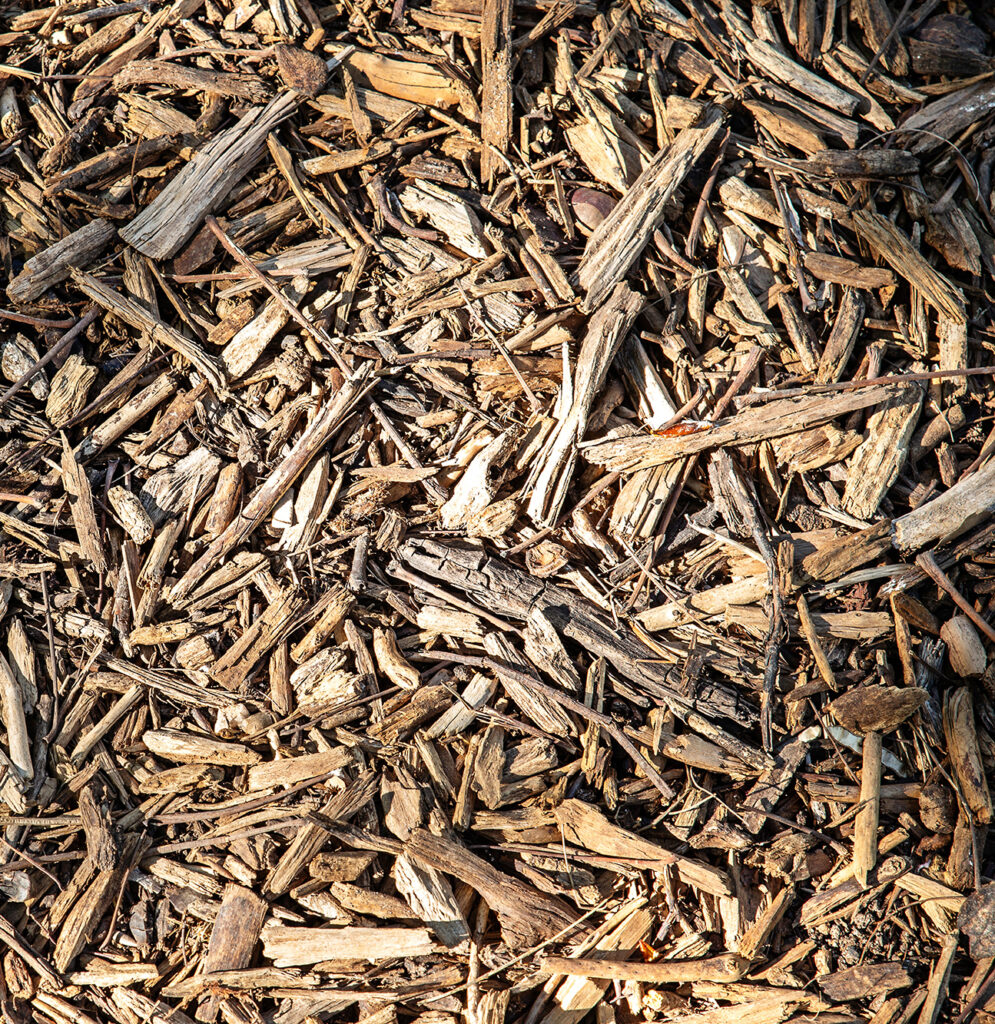
The Bio Heat Plant (44 MWth) burns 90,000 tons of biomass (wood chips) per year. The wood chips are sourced from the land management of Staatsbosbeheer (Dutch Forest Service). These wood chips are a byproduct of the regular management of forests, nature, and landscapes. Wood is a sustainable, renewable raw material and CO2 neutral. When wood chips are burned, the amount of CO2 in the atmosphere does not increase, unlike with the combustion of natural gas, oil, and coal.
Purmerend Specs
Commissioned by SVP, Stadsverwarming Purmerend. The underground pipelines run to and from the Bio Heat Plant.
Specifications:
- Directional drilling with cold bending
- Length: 63 meters. The deepest point is 6 meters
- DN400 heat pipeline
- New innovation: leak detection