


In conversation with Arjan ten Elshof
Heat is a significant challenge
Developments in heat and geothermal energy
HVC is responsible for sustainable waste management and produces sustainable energy for 52 municipalities, 9 water boards, businesses, and private individuals. By generating energy from the heat released during waste incineration, no fossil fuels need to be burned. “We help our partners achieve their sustainability goals.” We will discuss developments in the world of heat and geothermal energy with Arjan ten Elshof.
Significantly less CO2 emissions
HVC cleverly utilizes heat released during waste incineration and combustion processes of wood and sludge. With this residual heat, households and businesses are supplied with heat and hot water in a closed system, without relying on other energy sources. A lot of energy is released when burning waste wood and residual waste.
The remaining heat from this combustion process is used to power the district heating network. The result of this process is a significant reduction in total CO2 emissions. This aligns with HVC’s long-term vision: helping municipalities gradually transition away from natural gas.
Arjan continues: “This means we will heat our homes in a different way. For many municipalities, this is a considerable challenge. We have already experienced this in Sliedrecht.”
100% sustainable heat
In Sliedrecht, all efforts are focused on geothermal energy as a sustainable source. Starting January 2024, A.Hak, commissioned by HVC, will construct a new pipeline from Sliedrecht, under the Merwede River, to Dordrecht. This pipeline will soon supply 100% sustainable heat to the Sliedrecht district heating network. From this year, HVC’s sustainable sludge processing plant (SVI) can supply heat for Sliedrecht. Around the second quarter of 2025, HVC will supply 100% sustainable heat recovered from sewage sludge to the Sliedrecht district heating network.
Completely energy-neutral
In early 2018, efforts began to make Sliedrecht a completely energy-neutral municipality. Residents, HVC, and the municipality are jointly building a sustainable future. A future in which new and existing homes receive sustainable heat via the Sliedrecht district heating network. We will see this approach increasingly adopted in municipalities in the coming years.

“Developing a district heating network can take years. Together with A.Hak, we determine the route of the pipelines, where they will be laid underground, and where a sustainable heat source is available.”
Arjan ten Elshof
A unique source
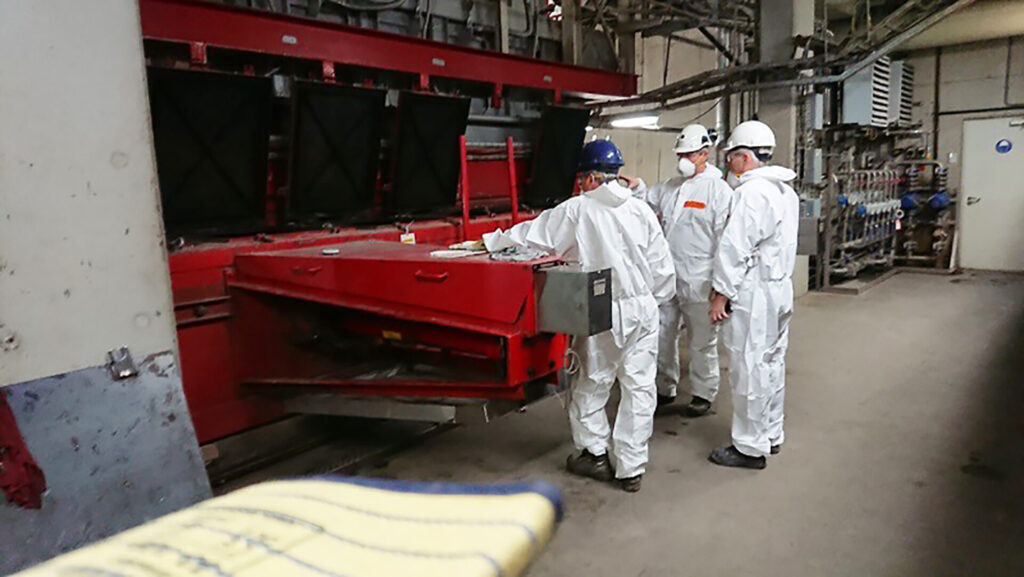
HVC has its own waste processing plant in Dordrecht that produces heat. Arjan: “When burning the residual sludge from our sewage system, heat is released. This heat is reused and partly enters the district heating network. This plant is popularly known as the ‘poop factory’. But if we didn’t capture and reuse that heat for homes, it would pollute the air. This source therefore qualifies as very sustainable.”
Together towards 2050
In the heat transition, geothermal energy is one of the sustainable energy sources the government is focusing on. Geothermal energy contributes to reducing natural gas consumption in the Netherlands. The geothermal sector aims to grow from 24 installations to 700 by the year 2050. This should heat greenhouses and supply heat to up to 4 million households. Depending on the outcomes of pilot projects, ultra-deep geothermal energy may also be deployed in the future.
“All Dutch municipalities must draw up a Heat Transition Vision. This outlines a timeline for making neighborhoods more sustainable. HVC and A.Hak jointly support municipalities with the possibilities and development of a district heating network, including route determination, materials, installation techniques, and environmental management,” says Arjan.
Specs: How does heat extraction work?
Hot water at 70 to 90°C is pumped up from 2 to 3 km deep and, after cooling, pumped back into the ground. Geothermal energy is a sustainable method of heat extraction for heating greenhouses (and homes). With geothermal energy, we extract heat from the subsurface to heat our homes, buildings, and greenhouses.
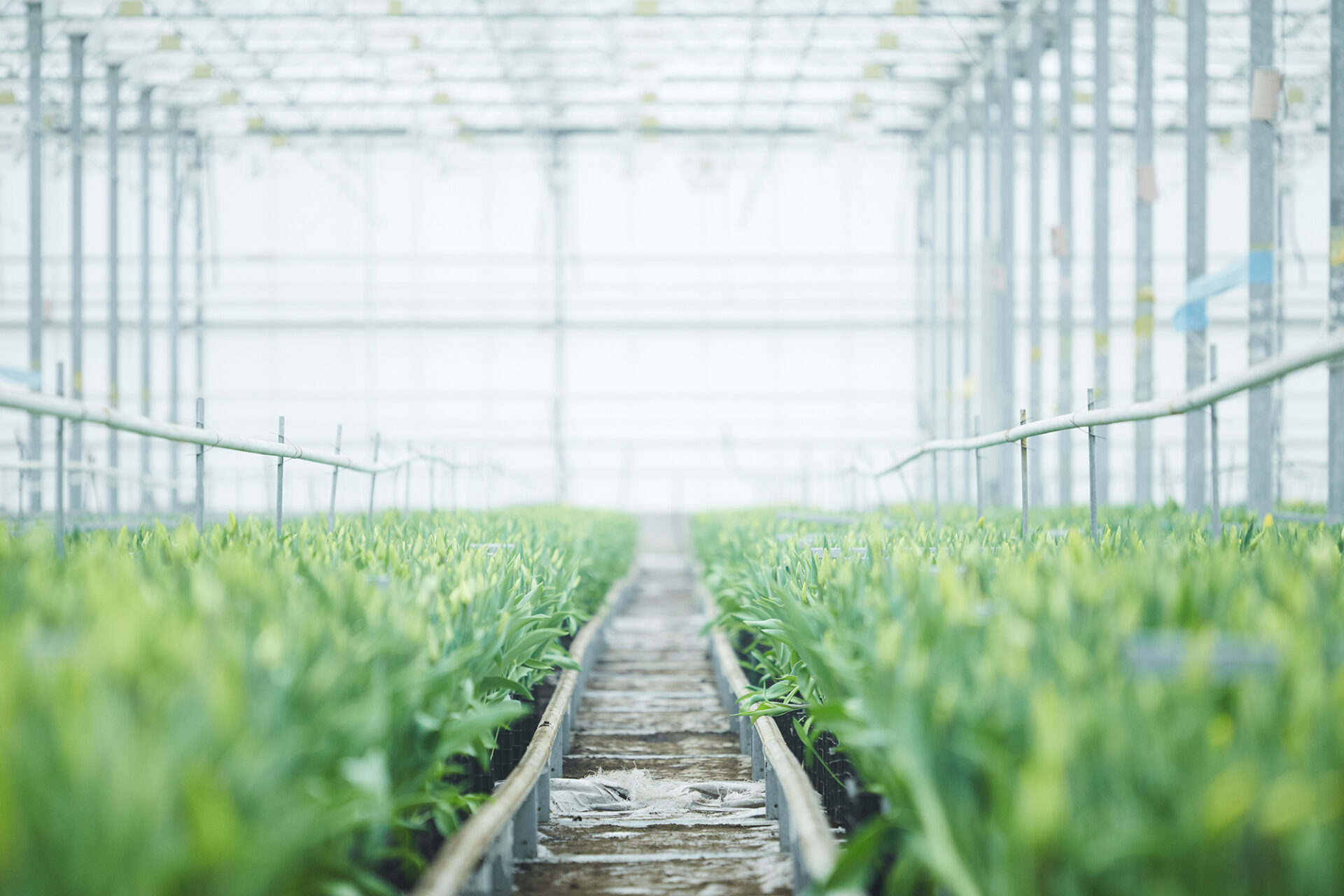
Greenhouses are still largely heated with gas, but the use of geothermal energy for heating greenhouses is rapidly increasing. Drilling for geothermal energy occurs in areas where water-bearing geological layers are sufficiently thick and permeable. The warm water is pumped up, after which the heat from the water can be utilized.
Above ground, an area of one and a half football fields is required for a drilling site. At the site, two wells are drilled: a production well and an injection well. These wells together are called a doublet. Warm water is pumped up from the earth via the production well. The heat from this water is extracted via a heat exchanger.
Subsequently, the cooled water returns into the earth via the injection well. To prevent the water around the production well from cooling due to the reinjected water, there is an underground distance of 1 to 1.5 kilometers between the wells. Above ground, the wells are only a few meters apart.